


How to Choose a Second - hand Wheeled Excavator Without Pitfalls

In the field of construction, second - hand wheeled excavators are favored by many constructors due to their relatively affordable prices. However, if not selected properly, they may bring continuous troubles later. Mastering the correct selection methods is the key to avoiding "pitfalls".
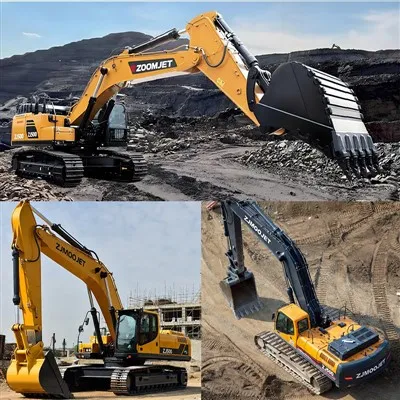
Consider the Operating Hours and Working Conditions
The operating hours are an important indicator to measure the wear and tear of a second - hand wheeled excavator. Generally speaking, the fewer the working hours, the less the wear and tear of components. You can check the equipment's working hour meter. If the data on the hour meter is abnormal, for example, the value is low but the equipment shows severe external wear, be alert to whether it has been tampered with. At the same time, understanding its past working conditions is also crucial. Wheeled excavators that have been operating in harsh conditions for a long time, such as high - load and rocky environments, will experience faster wear and tear on key components. For equipment engaged in stone excavation in mountainous areas, parts like the bucket, tooth, and track will be more severely worn than those in general earthwork operations.

Inspect the Condition of Key Components
The engine, as the "heart" of the wheeled excavator, directly determines its performance. Start the engine and listen to whether the running sound is stable, and check for any abnormal vibrations or sharp noises. Observe the color of the exhaust gas. Normally, it should be light gray. Black smoke may indicate incomplete combustion, and blue smoke may suggest oil - burning. The hydraulic system also cannot be ignored. Check whether there are any leaks in the hydraulic hoses. If oil stains are found, it indicates that there may be a sealing problem in the hydraulic system. When operating the hydraulic actions, pay attention to their response speed and stability. Slow or jerky actions may be a sign of problems with the hydraulic pump or control valve.

Test - drive for an Operational Experience
Conducting a test - drive in person is a direct way to test the performance of a second - hand wheeled excavator. Operate all actions, such as digging, slewing, and traveling, and experience whether its controllability is flexible and how coordinated the various actions are. Pay attention to whether the equipment deviates from the straight path during traveling and whether the steering is smooth. In addition, experience the comfort of the cab. Whether the seat is comfortable and whether the layout of the operation levers is reasonable are also important. After all, a comfortable operating environment can improve work efficiency and reduce driver fatigue.

Selecting a second - hand wheeled excavator requires comprehensive consideration. From operating hours, working conditions, the condition of key components, to the test - drive experience, every link is related to whether the equipment can operate stably and efficiently in the future. A little more carefulness can reduce the risk of "pitfalls" and make the second - hand wheeled excavator a reliable assistant for your construction projects.


