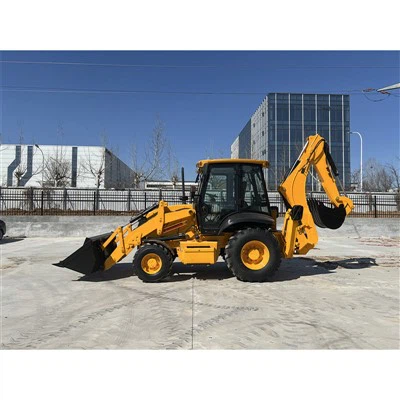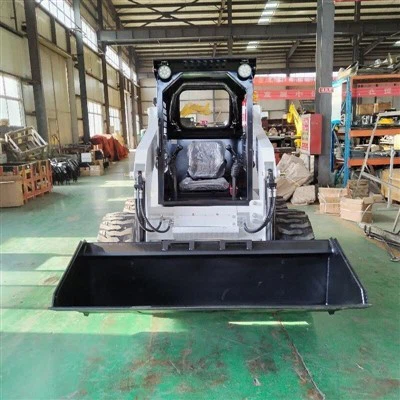
When it comes to the world of construction and heavy - duty work, wheel loaders are indispensable machines. As a reputable wheel loader supplier, I am often asked about the emission levels of these powerful vehicles. In this blog, we will delve deep into the emission levels of wheel loaders, exploring different types of wheel loaders and their corresponding emission characteristics.
Understanding Emission Levels
Emission levels refer to the amount of pollutants released into the atmosphere by a wheel loader during its operation. These pollutants mainly include particulate matter (PM), nitrogen oxides (NOx), carbon monoxide (CO), and hydrocarbons (HC). High emission levels not only contribute to environmental pollution but also pose risks to human health, especially in enclosed or poorly - ventilated work areas.
Traditional Diesel - Powered Wheel Loaders
Traditional wheel loaders are typically powered by diesel engines. Diesel engines work by compressing air in the cylinders and then injecting diesel fuel, which ignites due to the high - temperature compressed air. While diesel engines are known for their high torque and durability, they also produce significant emissions.
In the past, diesel - powered wheel loaders had relatively high emission levels. Older models emitted large amounts of particulate matter and nitrogen oxides. However, with the advancement of technology and the implementation of stricter emission regulations around the world, modern diesel - powered wheel loaders have made remarkable progress in reducing emissions.
Manufacturers have adopted various technologies to lower emissions. For example, exhaust gas recirculation (EGR) systems are used to reduce nitrogen oxide emissions. EGR works by redirecting a portion of the exhaust gas back into the engine cylinders. This reduces the peak combustion temperature, thereby decreasing the formation of NOx. Another important technology is the diesel particulate filter (DPF), which traps and removes particulate matter from the exhaust gas.
Despite these improvements, diesel - powered wheel loaders still emit a certain amount of pollutants. The actual emission level depends on several factors, such as the engine size, the age of the machine, the load it is carrying, and the operating conditions. For instance, a large - capacity diesel wheel loader working under heavy - load conditions for long hours will generally have higher emission levels compared to a smaller one operating under lighter conditions.
Hybrid Wheel Loaders
Hybrid wheel loaders combine a traditional diesel engine with an electric motor. This combination allows for more efficient energy use and lower emissions. During operation, the electric motor can assist the diesel engine, especially during high - load situations, reducing the workload on the diesel engine and thus decreasing emissions.


When the wheel loader is in a low - load or idling state, the electric motor can operate independently, eliminating the need for the diesel engine to run continuously. This not only saves fuel but also reduces emissions. Hybrid wheel loaders are also designed to recover energy during braking. The kinetic energy that would otherwise be wasted during braking is converted into electrical energy and stored in the battery for later use.
The emission levels of hybrid wheel loaders are generally lower than those of traditional diesel - powered wheel loaders. However, the extent of emission reduction depends on the design of the hybrid system and the proportion of electric - only operation. In some cases, hybrid wheel loaders can achieve up to a 30% reduction in emissions compared to their diesel - only counterparts.
Electric Wheel Loaders
Electric wheel loaders, such as the Pure Electric Wheel Loader and Electric Loader, represent the future of the wheel loader industry in terms of environmental friendliness. These loaders are powered entirely by electricity, which means they produce zero tailpipe emissions during operation.
Electric wheel loaders are powered by rechargeable batteries. When the battery is fully charged, the loader can operate for a certain period, depending on the battery capacity and the operating conditions. The only emissions associated with electric wheel loaders are the indirect emissions from the electricity generation process. If the electricity is generated from renewable sources such as solar, wind, or hydro - power, the overall carbon footprint of the electric wheel loader can be extremely low.
In addition to zero tailpipe emissions, electric wheel loaders have other advantages. They are generally quieter than diesel - powered loaders, which is beneficial for work in noise - sensitive areas. They also require less maintenance because they have fewer moving parts compared to diesel engines.
Large Wheel Loaders and Their Emission Considerations
Large Wheel Loaders are used in large - scale construction projects, mining operations, and port handling. These loaders are designed to handle heavy loads and have large - capacity engines. As a result, they tend to have higher emission levels compared to smaller wheel loaders.
However, just like their smaller counterparts, large wheel loaders are also subject to emission regulations. Manufacturers of large wheel loaders are constantly working on developing technologies to reduce emissions. For example, some large wheel loaders are now equipped with advanced engine management systems that optimize fuel injection and combustion processes to lower emissions.
In addition, large wheel loaders are increasingly being offered in hybrid or electric versions. The transition to these cleaner - energy alternatives is driven by both environmental concerns and the long - term cost savings associated with reduced fuel consumption and maintenance.
Factors Affecting Emission Levels
As mentioned earlier, several factors can affect the emission levels of wheel loaders. Engine technology is a crucial factor. Newer engines with advanced emission - control technologies generally produce lower emissions. The age of the wheel loader also plays a role. Older machines may have worn - out components that can lead to increased emissions.
The operating conditions are another important factor. Wheel loaders operating in dusty environments may experience higher particulate matter emissions. Similarly, loaders that frequently start and stop or operate under heavy - load conditions will have higher fuel consumption and, consequently, higher emissions.
The Importance of Monitoring and Reducing Emissions
Monitoring the emission levels of wheel loaders is essential for several reasons. Firstly, it helps to ensure compliance with environmental regulations. Many countries and regions have strict emission standards for construction equipment, and non - compliance can result in fines and other penalties.
Secondly, reducing emissions is beneficial for the environment. By lowering the amount of pollutants released into the atmosphere, we can contribute to improving air quality and reducing the impact of climate change. Thirdly, reducing emissions can also lead to cost savings. For example, more fuel - efficient wheel loaders consume less diesel, which translates into lower operating costs over the long term.
Conclusion
In conclusion, the emission levels of wheel loaders vary depending on the type of power source and other factors. Traditional diesel - powered wheel loaders have made significant progress in reducing emissions, but they still emit pollutants. Hybrid wheel loaders offer a more environmentally friendly alternative by combining diesel and electric power. Electric wheel loaders, on the other hand, produce zero tailpipe emissions and are the cleanest option available.
As a wheel loader supplier, we are committed to providing our customers with high - quality wheel loaders that meet or exceed the latest emission standards. We offer a wide range of wheel loaders, including Pure Electric Wheel Loader, Electric Loader, and Large Wheel Loader. Whether you are looking for a loader for a small - scale construction project or a large - scale mining operation, we have the right solution for you.
If you are interested in purchasing a wheel loader and would like to discuss your specific needs, please feel free to reach out to us. We are here to assist you in making the best choice for your business.
References
- SAE International. "Off - Highway Vehicle Emissions Standards and Technologies."
- Environmental Protection Agency (EPA). "Emission Standards for Construction Equipment."
- International Council on Clean Transportation (ICCT). "Analysis of Construction Equipment Emissions."