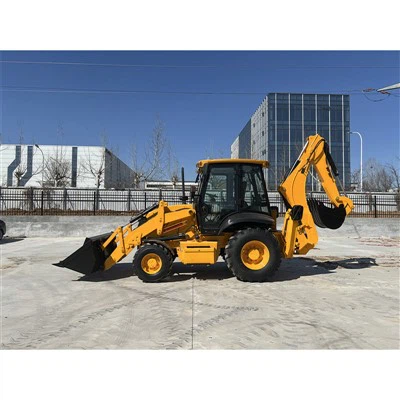
Hey there! As a supplier of backhoe excavators, I've seen firsthand how important it is to operate these machines safely. Whether you're a seasoned pro or just starting out, safety should always be your top priority. In this blog post, I'm gonna share some tips on how to operate a backhoe excavator safely.
Pre - operation Checks
Before you even think about firing up that backhoe excavator, you need to do a thorough pre - operation check. First off, take a good look at the machine's exterior. Check for any signs of damage, like dents, cracks, or loose parts. You don't want to be out in the field and have something fall off or break down on you.
Inspect the tires or tracks. Make sure they're properly inflated if they're tires, or that the tracks are in good condition with no signs of excessive wear. The hydraulic hoses are also crucial. Look for any leaks or signs of wear. A hydraulic leak can not only be a safety hazard but can also cause the machine to malfunction.


Check the fluid levels, including the engine oil, coolant, and hydraulic fluid. Low fluid levels can lead to overheating and engine damage. Also, don't forget to check the fuel level. You don't want to run out of fuel in the middle of a job.
Familiarize Yourself with the Controls
Backhoe excavators have a bunch of different controls, and it's essential that you know how to use them properly. Take the time to read the operator's manual. It might seem boring, but it's full of valuable information.
The main controls usually include the joysticks for the boom, arm, and bucket operations. You need to understand how to move these components smoothly and precisely. There are also controls for the drive system, like the pedals for forward and reverse, and the steering controls.
Practice using the controls in a safe, open area before you start working on an actual job. This will help you get a feel for how the machine responds and build your confidence.
Operating the Backhoe Excavator
When you're operating the backhoe, always keep a clear line of sight. Make sure you can see where the boom, arm, and bucket are at all times. If there are any blind spots, use the mirrors or have a spotter to help you.
Be aware of your surroundings. Watch out for other workers, pedestrians, and obstacles. Don't operate the machine too close to buildings, power lines, or other structures. Power lines are especially dangerous. Always maintain a safe distance from them.
When digging, start with small, controlled movements. Don't try to take on too much at once. Use the right amount of force and speed for the job. If you're digging in hard soil, you might need to adjust your technique.
When lifting heavy loads, make sure the load is properly balanced. Don't exceed the machine's lifting capacity. Overloading the backhoe can cause it to tip over, which is extremely dangerous.
Maintenance and Repairs
Regular maintenance is key to keeping your backhoe excavator safe and running smoothly. Follow the maintenance schedule in the operator's manual. This includes things like changing the oil, filters, and greasing the moving parts.
If you notice any problems with the machine, don't ignore them. Get them fixed right away. Minor issues can turn into major problems if they're not addressed.
When it comes to repairs, only use genuine parts. Using cheap, off - brand parts can compromise the safety and performance of the machine.
Different Types of Backhoe Loaders
We offer a variety of backhoe loaders to suit different needs. For general construction work, our Standard Backhoe Loader is a great choice. It's versatile and can handle a wide range of tasks.
If you're in the agricultural industry, our Agricultural Backhoe Loader is designed specifically for farm work. It has features that make it well - suited for tasks like digging irrigation ditches and moving soil on the farm.
Safety Training
Safety training is a must for anyone operating a backhoe excavator. Even if you have some experience, it's always a good idea to refresh your skills and learn about the latest safety practices.
There are many training courses available, both in - person and online. These courses cover everything from basic operation to advanced safety techniques.
End - of - Day Procedures
At the end of the day, make sure you park the backhoe excavator in a safe location. Lower the boom, arm, and bucket to the ground and engage the parking brake.
Turn off the engine and make sure all the controls are in the neutral position. Lock the cab if possible to prevent unauthorized access.
Why Choose Our Backhoe Excavators
As a backhoe excavator supplier, we take pride in offering high - quality machines. Our backhoes are built to last, with durable components and reliable performance. We also provide excellent customer service, including technical support and parts availability.
If you're in the market for a backhoe excavator, we'd love to talk to you. Whether you're a small business owner or part of a large construction company, we have the right machine for you. Contact us to discuss your needs and get a quote. We're here to help you find the perfect backhoe for your job and ensure that you can operate it safely and efficiently.
References
- Manufacturer's Operator Manuals for Backhoe Excavators
- OSHA (Occupational Safety and Health Administration) Guidelines for Construction Equipment Operation