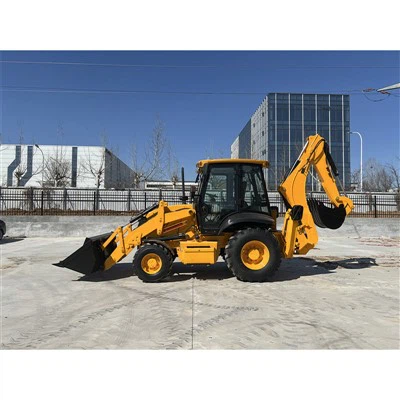
Hey there! As a supplier of wheel excavators, I've seen firsthand how important it is to keep these machines in top - notch condition. One of the key aspects of maintaining a wheel excavator is lubricating its moving parts. In this blog, I'll share some tips on how to lubricate the moving parts of a wheel excavator effectively.
Why Lubrication Matters
First off, let's talk about why lubrication is such a big deal. Moving parts in a wheel excavator, like the joints, bearings, and gears, experience a lot of friction. Friction generates heat, and over time, it can cause wear and tear on these components. This can lead to reduced efficiency, breakdowns, and costly repairs. By lubricating these parts, we reduce friction, which in turn lowers heat generation and extends the lifespan of the components.
Types of Lubricants
There are different types of lubricants available for wheel excavators, and choosing the right one is crucial.
Grease
Grease is a popular choice for many moving parts in a wheel excavator. It's thick and sticky, which means it stays in place better than oil. Grease is great for joints and bearings that don't require high - speed movement. It provides long - lasting protection against friction and corrosion. When choosing grease, make sure to consider the operating conditions of your excavator. For example, if the machine is working in a high - temperature environment, you'll need a high - temperature grease.
Oil
Oil is used for parts that require high - speed movement, such as gears. It has a lower viscosity than grease, which allows it to flow easily and provide smooth operation. There are different grades of oil available, and you should select the one that matches the specifications of your wheel excavator.


Lubrication Points
Now, let's take a look at the main moving parts of a wheel excavator that need lubrication.
Bucket Joints
The bucket joints are where the bucket attaches to the arm of the excavator. These joints experience a lot of stress and movement, so they need to be lubricated regularly. Use a high - quality grease and apply it using a grease gun. Make sure to follow the manufacturer's recommendations on how often to lubricate these joints.
Boom and Arm Joints
The boom and arm joints are also critical lubrication points. These joints allow the boom and arm to move up and down, and side to side. Like the bucket joints, they are subject to heavy loads and constant movement. Grease these joints at regular intervals to ensure smooth operation.
Bearings
Bearings are used in various parts of the wheel excavator, such as the wheels and the swing mechanism. They help reduce friction and support the weight of the machine. Bearings need to be lubricated with the appropriate oil or grease, depending on their type and location. Check the owner's manual for specific lubrication instructions for each bearing.
Gears
The gears in the transmission and other parts of the excavator need to be lubricated with oil. The oil helps to reduce friction between the gear teeth and ensures smooth power transfer. Make sure to check the oil level regularly and change the oil according to the manufacturer's schedule.
Lubrication Process
Here's a step - by - step guide on how to lubricate the moving parts of a wheel excavator.
Step 1: Preparation
Before you start lubricating, make sure the excavator is turned off and parked on a flat surface. Gather all the necessary tools, such as a grease gun, oil funnel, and rags. Also, make sure you have the right type and amount of lubricant.
Step 2: Clean the Lubrication Points
Use a rag to clean the lubrication points. Remove any dirt, debris, or old lubricant. This will ensure that the new lubricant can work effectively and prevent contaminants from getting into the moving parts.
Step 3: Apply the Lubricant
For grease - lubricated parts, attach the grease gun to the grease fitting and pump the grease until you see fresh grease coming out. For oil - lubricated parts, use an oil funnel to pour the oil into the appropriate reservoir. Make sure not to over - lubricate, as this can also cause problems.
Step 4: Check for Leaks
After lubricating, check for any signs of leaks. If you notice any leaks, address them immediately. Leaks can lead to a loss of lubricant and potential damage to the moving parts.
Maintenance Schedule
Establishing a regular maintenance schedule is essential for keeping your wheel excavator in good condition. The frequency of lubrication depends on several factors, such as the operating hours, the working environment, and the type of excavator. As a general rule, you should lubricate the bucket joints, boom and arm joints daily or after every 8 - 10 hours of operation. Bearings and gears may need to be lubricated less frequently, but still according to the manufacturer's recommendations.
Our Wheel Excavator Offerings
At our company, we offer a wide range of wheel excavators, including the 15 Ton Wheeled Excavator and the 10.5 - ton Wheeled Excavator. These machines are built to last and are designed with easy - to - access lubrication points, making maintenance a breeze. You can also check out our full range of Wheeled Excavator models on our website.
Contact Us for Procurement
If you're in the market for a wheel excavator or need more information about lubrication and maintenance, don't hesitate to reach out. We're here to help you make the right choice and ensure that your excavator performs at its best. Whether you're a small - scale contractor or a large construction company, we have the right machine for you.
References
- Manufacturer's manuals for wheel excavators
- Industry standards and best practices for heavy equipment maintenance