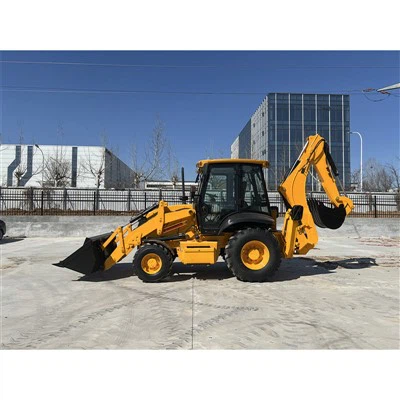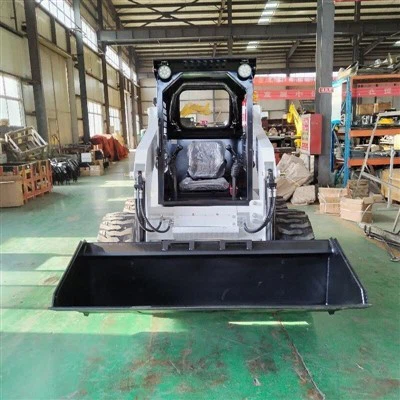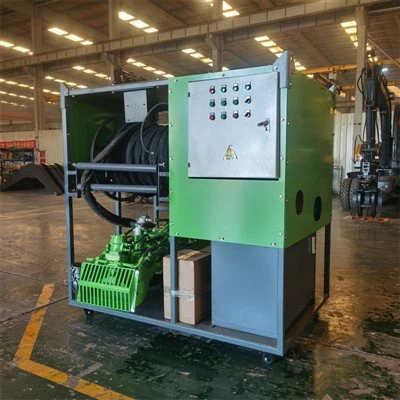
When it comes to the cost of a Dredge Robot, there isn't a one - size - fits - all answer. As a Dredge Robot supplier, I've encountered numerous inquiries regarding the pricing of these advanced machines. In this blog, I'll delve into the factors that influence the cost of a Dredge Robot and provide you with a comprehensive understanding of what to expect.
Factors Affecting the Cost of a Dredge Robot
1. Design and Complexity
The design of a Dredge Robot plays a crucial role in determining its cost. A simple, basic Dredge Robot with limited functionality will generally be less expensive than a highly complex one. For instance, a Dredge Robot designed for small - scale, shallow - water dredging in a pond or a small canal may have a relatively straightforward design. It might have basic sensors, a simple propulsion system, and a less sophisticated dredging mechanism.
On the other hand, a Dredge Robot intended for large - scale, deep - sea dredging operations will be far more complex. It needs to withstand high water pressures, operate in harsh environmental conditions, and have advanced navigation and dredging capabilities. Such robots often require specialized materials, high - precision sensors, and complex control systems, all of which drive up the cost. You can learn more about the different designs of Dredge Robot on our website.
2. Technology and Features
The technological features incorporated into a Dredge Robot also significantly impact its price. Modern Dredge Robots are equipped with a wide range of advanced technologies. For example, some robots are equipped with real - time monitoring systems that can provide detailed information about the dredging process, such as the amount of sediment being removed, the depth of dredging, and the quality of the dredged material.
Robots with autonomous operation capabilities are also becoming increasingly popular. These robots can be programmed to perform dredging tasks without continuous human intervention, which improves efficiency and reduces labor costs. However, the development and integration of such advanced technologies require substantial research and development investment, leading to a higher price tag. Additionally, features like remote control, high - definition cameras for visual inspection, and advanced communication systems also contribute to the overall cost.
3. Size and Capacity
The size and capacity of a Dredge Robot are directly related to its cost. Larger Dredge Robots with higher dredging capacities are more expensive. A small - sized Dredge Robot, suitable for light - duty dredging tasks in confined spaces, may have a relatively low cost. These robots are often used for maintenance dredging in small water bodies or for cleaning up debris in narrow channels.
In contrast, large - scale Dredge Robots designed for major infrastructure projects, such as port expansion or river channel deepening, have a much higher price. They are built to handle large volumes of sediment and operate over extended periods. The larger size requires more materials for construction, more powerful engines or motors, and larger storage capacities for the dredged material, all of which increase the cost.
4. Customization
Many customers require customized Dredge Robots to meet their specific needs. Customization can involve modifying the robot's design, adding or removing certain features, or adapting it to work in specific environmental conditions. For example, a customer may need a Dredge Robot that can operate in a highly corrosive environment, such as a salt - water estuary. In this case, the robot will need to be made of corrosion - resistant materials, which adds to the cost.
Custom - built Dredge Robots also require additional engineering and design work, as well as more time for manufacturing and testing. As a result, customized Dredge Robots are generally more expensive than standard models.
Cost Range of Dredge Robots
Based on the factors mentioned above, the cost of a Dredge Robot can vary widely. A basic, small - sized Dredge Robot with limited features may cost anywhere from $50,000 to $150,000. These robots are suitable for small - scale, simple dredging tasks and are often used by local municipalities or small - scale contractors.
Mid - range Dredge Robots, which offer a balance between functionality and cost, typically range from $150,000 to $500,000. These robots are more versatile and can be used for a variety of dredging applications, including medium - sized pond dredging, small - port maintenance, and river channel cleaning.
High - end, large - scale Dredge Robots with advanced technologies and high capacities can cost upwards of $500,000, and in some cases, several million dollars. These robots are designed for major infrastructure projects and are often used by large construction companies and government agencies.

Comparison with Other Similar Robots
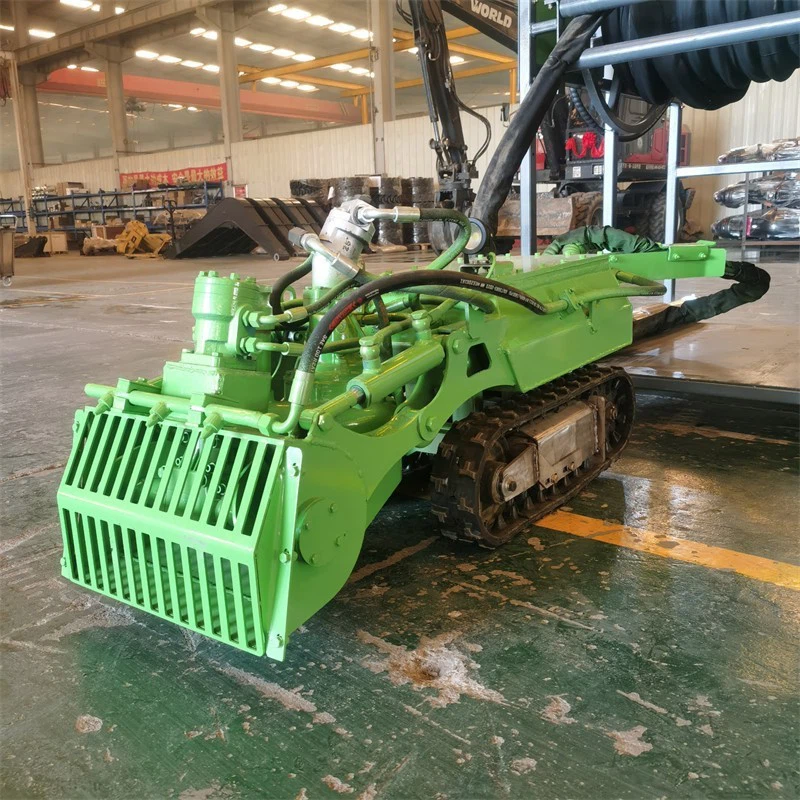
It's also interesting to compare the cost of Dredge Robots with other types of industrial robots, such as Demolition Robot. Demolition robots are used for breaking down structures and are often used in construction and demolition projects. While both types of robots are specialized industrial machines, their costs can differ based on their specific functions.
Demolition robots generally have a different set of requirements. They need to be equipped with powerful hydraulic systems for breaking and crushing, and they often operate in a more dynamic and potentially dangerous environment. The cost of a demolition robot can range from $100,000 to over $1 million, depending on its size, power, and features.
In comparison, Dredge Robots are focused on sediment removal and underwater operations. Their design and technology are tailored to the unique challenges of dredging, such as operating in water, dealing with different types of sediment, and maintaining stability. The cost differences between the two types of robots reflect their distinct design, functionality, and application requirements.
The Future of Dredge Robot Pricing
As technology continues to advance, the cost of Dredge Robots is likely to change. On one hand, the development of new manufacturing techniques and materials may lead to cost savings. For example, the use of 3D printing technology in the production of some components could reduce manufacturing costs. Additionally, as the market for Dredge Robots grows, economies of scale may come into play, leading to lower prices for standard models.
On the other hand, the demand for more advanced features and capabilities, such as increased autonomy and enhanced environmental monitoring, may drive up the cost of high - end Dredge Robots. The integration of artificial intelligence and machine learning technologies into Dredge Robots is also an area of active research, and these advancements are likely to add to the cost in the short - to - medium term.
Conclusion and Call to Action
In conclusion, the cost of a Dredge Robot is influenced by a variety of factors, including design, technology, size, and customization. Understanding these factors can help you make an informed decision when considering purchasing a Dredge Robot. Whether you're a small - scale contractor looking for a cost - effective solution or a large - scale infrastructure developer in need of a high - performance robot, there is a Dredge Robot to suit your needs.
If you're interested in learning more about our Dredge Robotics products or would like to discuss your specific requirements, please feel free to reach out. Our team of experts is ready to provide you with detailed information and assist you in finding the right Dredge Robot for your project.
References
- Industry reports on industrial robot pricing and technology trends.
- Internal research and development data on Dredge Robot design and manufacturing costs.