Hey there! I'm a supplier for Dredge Robotics, and today I wanna chat about how we make sure the surrounding marine life stays safe. It's a big deal for us, and we've got some pretty cool ways to handle it.
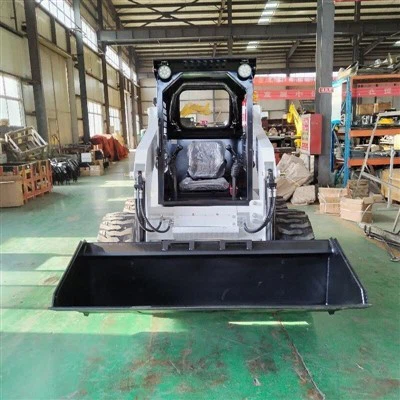
First off, let's talk about what Dredge Robotics is all about. We're into these amazing Dredge Robot that are used in all sorts of underwater operations. Whether it's cleaning up ports, maintaining waterways, or doing some underwater construction, our robots are up for the task. But with all this activity going on in the water, we know we've gotta be careful not to mess up the marine ecosystem.
One of the key ways we ensure safety is through advanced sensor technology. Our robots are equipped with a whole bunch of sensors that can detect the presence of marine life in the area. These sensors can pick up on things like the movement of fish, the presence of mammals, and even the location of coral reefs. By having this information in real - time, our operators can make informed decisions about how to proceed with the dredging operation.
For example, if the sensors detect a school of fish in the path of the dredge, the operator can either pause the operation or adjust the path of the robot to avoid disturbing the fish. This way, we can minimize the impact on the local marine population. It's like having a sixth sense for the underwater world, and it really helps us be more responsible in our work.
Another important aspect is the design of our Dredge Robot. We've put a lot of thought into making sure that the robots are as gentle as possible on the environment. The cutting and suction mechanisms are designed to be precise, which means we can target only the areas that need to be dredged and leave the rest of the ecosystem untouched.
We also use special materials in the construction of our robots that are non - toxic and won't harm the marine life. These materials are carefully selected to be resistant to corrosion and wear, while also being safe for the underwater environment. This way, even if there's a little bit of debris or sediment that gets kicked up during the operation, it won't have a negative impact on the surrounding marine life.


In addition to sensor technology and design, we also have strict operating procedures in place. All of our operators are trained to follow these procedures to ensure the safety of the marine life. Before starting any dredging operation, a thorough environmental assessment is conducted. This assessment looks at things like the type of marine life in the area, the water quality, and the potential impact of the dredging on the ecosystem.
Based on the results of the assessment, a plan is developed that outlines the best way to carry out the operation while minimizing the impact on the marine life. The operators are then required to follow this plan step by step. This includes things like limiting the amount of sediment that is stirred up, avoiding sensitive areas such as breeding grounds, and monitoring the water quality throughout the operation.
We also work closely with environmental experts and regulatory agencies. These partnerships are crucial in helping us stay up - to - date with the latest environmental standards and best practices. The environmental experts can provide us with valuable insights into the local marine ecosystem, and the regulatory agencies ensure that we are following all the necessary rules and regulations.
For instance, we might collaborate with a marine biologist to better understand the behavior of a particular species of fish in the area. This knowledge can then be used to adjust our dredging operations to avoid any negative impact on the fish. And by working with the regulatory agencies, we can ensure that our operations are legal and environmentally friendly.
Now, let's talk about some of the specific challenges we face and how we overcome them. One of the biggest challenges is dealing with the fact that the marine environment is constantly changing. The movement of water, the migration of marine life, and the changing weather conditions can all have an impact on our dredging operations.
To deal with these changes, we have a team of experts who are constantly monitoring the environment. They use satellite imagery, weather forecasts, and other data sources to stay informed about what's going on in the water. This allows us to adjust our operations in real - time to avoid any potential problems.
Another challenge is the presence of endangered or protected species. When we encounter these species in the area, we take extra precautions to ensure their safety. This might involve pausing the operation completely until the species has moved on, or using special techniques to work around them without causing any harm.
We also have a contingency plan in place in case something unexpected happens. For example, if there's an accidental spill or a mechanical failure that could potentially harm the marine life, we have a team on standby that can quickly respond and take action to minimize the damage.
At Dredge Robotics, we're not just about getting the job done; we're about doing it in a way that's sustainable and safe for the environment. Our commitment to the safety of the surrounding marine life is at the core of everything we do.
If you're in the market for a reliable and environmentally friendly dredging solution, then Dredge Robotics is the way to go. Our robots are not only effective at getting the job done, but they also help you meet your environmental responsibilities. Whether you're a port authority, a construction company, or anyone else in need of underwater dredging services, we've got the right solution for you.
So, if you're interested in learning more about our products and services, or if you want to discuss a specific project, don't hesitate to reach out. We're always happy to have a chat and see how we can help you with your dredging needs.
References
- General knowledge of marine environmental science and dredging operations.
- Internal research and development documents from Dredge Robotics.