Hey there! As a backhoe excavator supplier, I've been getting a bunch of questions lately about the role of the counterweight in a backhoe excavator. So, I thought I'd take a few minutes to break it down for you.


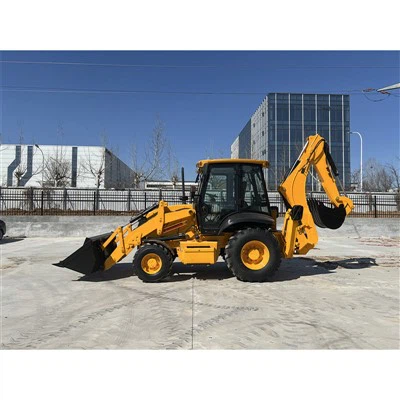
First off, let's talk about what a backhoe excavator is. It's a pretty versatile piece of equipment that combines the functions of a tractor and an excavator. You've got a front loader bucket for moving materials like dirt, gravel, or sand, and a backhoe arm at the rear for digging and trenching. There are different types, too, like the Agricultural Backhoe Loader which is great for farm - related tasks, and the Standard Backhoe Loader that's used in more general construction and landscaping jobs.
Now, onto the counterweight. The counterweight is that big hunk of metal you see at the back of the backhoe excavator. It might look like just an extra part, but it plays a super important role.
One of the main functions of the counterweight is to provide stability. When you're using the backhoe arm to dig, you're applying a lot of force at the rear of the machine. Without a counterweight, the excavator could easily tip forward. The counterweight acts as a balance, offsetting the weight and force of the load being lifted or the digging action. For example, if you're digging a deep trench, the counterweight keeps the machine from toppling over onto its front end. This is crucial not only for the safety of the operator but also for the integrity of the machine itself. A tipped - over excavator can cause a lot of damage and can be really expensive to repair.
Another aspect of stability is when the machine is on uneven ground. Construction sites and agricultural fields are rarely perfectly flat. The counterweight helps to keep the backhoe excavator level and steady even when the ground is sloped or bumpy. It distributes the weight of the machine more evenly across all four wheels or tracks, depending on the type of backhoe you have. This allows the operator to work more efficiently and safely, knowing that the machine won't suddenly lose its balance.
The counterweight also affects the lifting capacity of the backhoe. By adding extra weight at the rear, it increases the amount of weight that the backhoe arm can safely lift. This is because the counterweight creates a counter - force that opposes the weight of the load being lifted. So, if you need to lift heavy materials like large rocks or concrete blocks, a well - designed counterweight can make all the difference. It allows you to take on bigger jobs without having to worry about overloading the machine.
In addition to stability and lifting capacity, the counterweight can also improve the overall performance of the backhoe. When the machine is stable, the operator can control the backhoe arm more precisely. This means more accurate digging and trenching, which is essential for tasks like laying pipes or creating foundations. A stable machine also reduces wear and tear on the components. Since there's less stress on the axles, wheels, and hydraulic systems, they're less likely to break down, and the machine will have a longer lifespan.
Now, let's talk about how the counterweight is designed. Counterweights are usually made of heavy materials like cast iron or concrete. The size and weight of the counterweight are carefully calculated based on the size and specifications of the backhoe excavator. Smaller backhoes used for light - duty tasks might have a relatively small counterweight, while larger, heavy - duty machines will have a much bigger and heavier one.
The shape of the counterweight is also important. It's designed to be aerodynamic to some extent, which helps to reduce wind resistance when the machine is moving. This might not seem like a big deal, but over time, less wind resistance can save fuel and make the machine more efficient.
When it comes to maintenance, the counterweight doesn't require a whole lot of attention. However, it's still important to check it regularly for any signs of damage or wear. Cracks or chips in the counterweight can affect its performance and stability. If you notice any issues, it's best to have it inspected by a professional. They can determine if the counterweight needs to be repaired or replaced.
As a backhoe excavator supplier, I've seen firsthand how a good counterweight can make a huge difference in the performance of the machine. Whether you're a farmer looking for an Agricultural Backhoe Loader to handle some light digging on your farm or a construction company in need of a Standard Backhoe Loader for large - scale projects, the counterweight is an essential part of the equation.
If you're in the market for a backhoe excavator, make sure to pay attention to the counterweight. Ask the supplier about its specifications, how it's designed, and what kind of performance benefits it offers. And if you have any questions about how the counterweight works or how it can affect your specific needs, don't hesitate to reach out. We're here to help you make the best choice for your business.
In conclusion, the counterweight in a backhoe excavator is not just a simple add - on. It's a vital component that provides stability, increases lifting capacity, improves performance, and ensures the safety of the operator. Whether you're a seasoned contractor or a first - time buyer, understanding the role of the counterweight can help you make a more informed decision when purchasing a backhoe excavator.
If you're interested in learning more about our backhoe excavators or are thinking about making a purchase, we'd love to hear from you. Contact us to start a conversation about your requirements and how we can help you find the perfect backhoe for your job.
References
- Construction Equipment Handbook: Covers general information about backhoe excavators and their components.
- Agricultural Machinery Manuals: Provides details on the use of backhoes in agricultural settings.