Can a skid steer loader be used in wet conditions? Well, that's a question I get asked a lot as a skid steer loader supplier. And the answer isn't as straightforward as you might think.


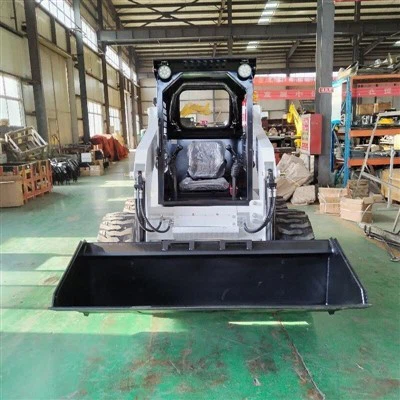
First off, let's talk about what a skid steer loader is. It's a versatile piece of equipment that can be used for a variety of tasks, from digging and grading to lifting and moving materials. They come in different sizes and configurations, like the Small Crawler Skid Steer Loader and the Compact Track Loader, each designed to suit different job requirements.
Now, using a skid steer loader in wet conditions has its pros and cons. On the plus side, these machines are built tough, and many of them can handle a bit of moisture without too much trouble. The sealed electrical systems and well - protected components in modern skid steer loaders help prevent water damage.
For instance, in light rain or damp soil, a skid steer loader can still operate efficiently. The tracks or wheels on these loaders provide good traction, allowing them to move around on wet surfaces. The Compact Track Loader, with its wide tracks, distributes the machine's weight evenly, reducing the risk of getting stuck in muddy or wet ground.
However, there are also some significant challenges when using a skid steer loader in wet conditions. One of the biggest issues is traction. While the tracks or wheels are designed to grip the ground, wet and slippery surfaces can make it difficult for the loader to move forward, backward, or turn smoothly. Mud can build up between the tracks or on the wheels, reducing their effectiveness.
Another problem is the risk of water getting into sensitive components. If water seeps into the engine, hydraulic system, or electrical parts, it can cause serious damage. The engine might stall, the hydraulic system could lose pressure, and electrical malfunctions could occur. This not only leads to costly repairs but also downtime on the job site.
Corrosion is also a major concern. Constant exposure to water and moisture can cause metal parts of the skid steer loader to rust. This weakens the structural integrity of the machine over time and can lead to premature wear and tear.
So, how can you use a skid steer loader safely in wet conditions? First, you need to do a pre - operation check. Make sure all the seals are intact and that there are no signs of water damage from previous use. Check the tire pressure or track tension, as proper inflation or tension is crucial for good traction.
During operation, be extra cautious. Reduce your speed to avoid slipping and sliding. Try to stay on hard - packed areas as much as possible and avoid deep puddles or areas with standing water. If the ground is too soft or muddy, you might want to use mats or boards to provide a more stable surface for the loader.
After using the skid steer loader in wet conditions, it's essential to clean it thoroughly. Wash off all the mud and dirt, paying special attention to the tracks, wheels, and undercarriage. Dry the machine as much as possible, especially the electrical and hydraulic components, to prevent corrosion.
If you're considering buying a skid steer loader for use in wet conditions, there are a few things to look for. Opt for a model with a high - quality waterproofing system. Some loaders come with additional protective features, like waterproof covers for the engine and electrical components. The Small Crawler Skid Steer Loader is a great option as it's designed to be more maneuverable in challenging terrains, including wet ones.
At our company, we offer a wide range of skid steer loaders, including the Home Skid Steer Loader, which is perfect for small - scale projects. Our team of experts can help you choose the right loader for your specific needs, whether you're dealing with wet conditions or not.
In conclusion, while a skid steer loader can be used in wet conditions, it requires careful planning and proper maintenance. With the right precautions, you can keep your loader running smoothly and avoid costly repairs. If you're in the market for a skid steer loader, don't hesitate to reach out to us. We're here to help you make the best choice for your project and answer any questions you might have. Whether you need a loader for occasional use in light rain or for more demanding wet - weather jobs, we've got you covered.
References
- Construction Equipment Handbook: A guide to operating and maintaining heavy machinery
- Manufacturer's manuals for skid steer loaders