As a seasoned supplier of skid steer loaders, I often encounter inquiries from customers regarding the suitability of these versatile machines for indoor environments. The question "Can a skid steer loader be used in indoor environments?" is not only common but also crucial for many industries, such as construction, warehousing, and manufacturing, where space is often limited and operations need to be carried out efficiently. In this blog post, I will delve into the factors that determine whether a skid steer loader can be used indoors, the types of skid steer loaders that are more suitable for indoor use, and the safety considerations associated with indoor operation.
Factors Determining Indoor Use of Skid Steer Loaders
Space Constraints
One of the primary considerations when using a skid steer loader indoors is the available space. Skid steer loaders are known for their compact size and excellent maneuverability, which makes them well-suited for tight spaces. However, the specific dimensions of the indoor area, including doorways, aisles, and ceilings, must be carefully measured to ensure that the loader can move freely without causing damage to the surroundings. For example, if the doorways are too narrow, a smaller model of skid steer loader may be required. Our Small Crawler Skid Steer Loader is designed with a compact footprint, making it an ideal choice for indoor applications where space is at a premium.
Ventilation
Another critical factor is ventilation. Most skid steer loaders are powered by diesel engines, which emit exhaust gases that can be harmful if inhaled in confined spaces. Adequate ventilation is essential to ensure the safety of operators and other personnel working in the area. In some cases, it may be necessary to install additional ventilation systems or use electric-powered skid steer loaders, which produce zero emissions. Electric skid steer loaders are becoming increasingly popular for indoor use due to their environmental friendliness and quiet operation.
Flooring Conditions
The condition of the indoor flooring is also an important consideration. Skid steer loaders can exert significant pressure on the ground, especially when turning or carrying heavy loads. Soft or uneven floors may not be able to withstand the weight and movement of the loader, leading to damage or instability. Before using a skid steer loader indoors, it is essential to assess the flooring's load-bearing capacity and ensure that it is in good condition. If necessary, protective mats or plates can be used to distribute the weight of the loader and prevent damage to the floor.


Types of Skid Steer Loaders Suitable for Indoor Use
Small Crawler Skid Steer Loaders
As mentioned earlier, Small Crawler Skid Steer Loaders are an excellent choice for indoor applications. These loaders are equipped with tracks instead of wheels, which provide better traction and stability on various surfaces. The compact size of small crawler skid steer loaders allows them to navigate through narrow passages and tight corners with ease. Additionally, the tracks distribute the weight of the loader more evenly, reducing the risk of damage to the floor.
Electric Skid Steer Loaders
Electric skid steer loaders are another popular option for indoor use. These loaders are powered by rechargeable batteries, which eliminate the need for diesel fuel and reduce emissions. Electric skid steer loaders are also quieter than their diesel counterparts, making them suitable for noise-sensitive environments such as hospitals and schools. They offer similar performance and functionality to diesel-powered loaders, but with the added benefits of lower operating costs and reduced maintenance requirements.
Standard Skid Steer Loaders with Special Features
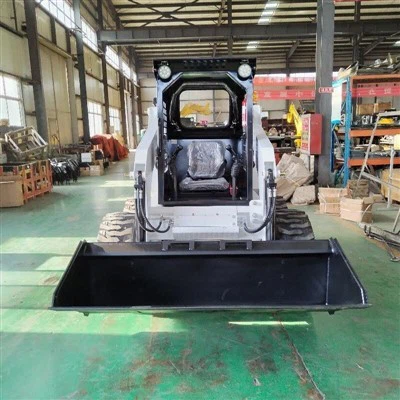
Some Standard Skid Steer Loaders can also be used indoors, provided they are equipped with the right features. For example, loaders with a low-profile design and a reduced height can be used in areas with low ceilings. Additionally, loaders with a quick-attach system allow for easy and rapid attachment changes, increasing productivity and versatility.
Safety Considerations for Indoor Operation
Operator Training
Proper operator training is essential when using a skid steer loader indoors. Operators should be familiar with the loader's controls, safety features, and operating procedures. They should also be trained to operate the loader in a safe and responsible manner, taking into account the specific challenges of indoor environments. Regular training and refresher courses can help ensure that operators are up-to-date with the latest safety practices and regulations.
Safety Equipment
In addition to operator training, the use of appropriate safety equipment is crucial. Operators should wear personal protective equipment (PPE) such as hard hats, safety glasses, and ear protection. The loader should also be equipped with safety features such as seat belts, rollover protection structures (ROPS), and falling object protection structures (FOPS). These safety features can help prevent accidents and injuries in the event of a rollover or other mishap.
Traffic Management
Indoor environments can be busy and congested, with multiple workers and vehicles moving around. Effective traffic management is essential to ensure the safety of everyone in the area. Clear signage and designated traffic lanes should be established to guide the movement of skid steer loaders and other vehicles. Operators should also be aware of their surroundings and communicate effectively with other workers to avoid collisions.
Conclusion
In conclusion, a skid steer loader can be used in indoor environments, but several factors need to be considered to ensure safe and efficient operation. Space constraints, ventilation, and flooring conditions are among the key factors that determine the suitability of a skid steer loader for indoor use. Small Crawler Skid Steer Loaders and electric skid steer loaders are particularly well-suited for indoor applications due to their compact size, low emissions, and quiet operation. However, proper operator training, the use of safety equipment, and effective traffic management are essential to minimize the risk of accidents and ensure the safety of everyone in the area.
If you are considering using a skid steer loader in an indoor environment, I encourage you to contact us to discuss your specific requirements. Our team of experts can help you select the right skid steer loader for your needs and provide you with the necessary support and training to ensure safe and efficient operation. Whether you need a Small Crawler Skid Steer Loader, a Standard Skid Steer Loader, or a Crawler Skid Steer Loader, we have a wide range of models to choose from. Contact us today to start the procurement process and take your indoor operations to the next level.
References
- Construction Equipment Guide. (2023). Skid Steer Loaders: Everything You Need to Know.
- OSHA. (2023). Safety and Health Topics - Powered Industrial Trucks.
- Equipment World. (2023). The Advantages of Electric Skid Steer Loaders.