Are demolition robots safe to operate? That's a question I get asked a lot as a supplier of Demolition Robot. And it's a valid one, considering the nature of the work these machines are designed for. Demolition is a dangerous job, and any equipment used in the process needs to be as safe as possible.
Let's start by looking at what makes demolition robots different from traditional demolition methods. In the old days, demolition crews would use jackhammers, wrecking balls, and other heavy - duty tools to bring down structures. These methods were not only labor - intensive but also extremely dangerous. Workers were at risk of being hit by falling debris, exposed to harmful dust and fumes, and even electrocuted.
Demolition robots, on the other hand, are remote - controlled machines. This means that the operator can be at a safe distance from the actual demolition site. They can control the robot from a control panel, using a joystick or other input devices. This significantly reduces the risk of physical harm to the operator. For example, if there's a sudden collapse of a structure during demolition, the operator is not in the immediate vicinity and can avoid getting injured.
Another safety feature of demolition robots is their precision. These robots are equipped with advanced sensors and control systems that allow them to perform demolition tasks with a high degree of accuracy. They can target specific areas of a structure, breaking them down piece by piece without causing unnecessary damage to the surrounding environment. This precision also helps in reducing the risk of unexpected collapses or the spread of debris over a large area.
The construction of demolition robots is also designed with safety in mind. They are built with strong and durable materials that can withstand the forces generated during demolition. The robot's body is often protected by a robust frame, which can prevent damage in case of accidental impacts. Additionally, the robot's moving parts are designed to be enclosed and shielded, reducing the risk of entanglement or injury to nearby workers.
However, it's important to note that no machine is completely risk - free. There are still some potential safety issues associated with the operation of demolition robots. One of the main concerns is the reliability of the remote - control system. If there's a malfunction in the control system, the robot may not respond as expected, which could lead to dangerous situations. To mitigate this risk, most demolition robots come with backup control systems and diagnostic tools. These systems can detect problems early and allow operators to take corrective action before a serious incident occurs.
Another potential issue is the training of operators. While demolition robots are designed to be relatively easy to operate, proper training is still essential. Operators need to understand how the robot works, its safety features, and how to respond to different situations. A poorly trained operator may make mistakes that could compromise the safety of the demolition operation. That's why we, as a supplier, always provide comprehensive training programs for our customers. We want to ensure that every operator knows how to use the robot safely and effectively.

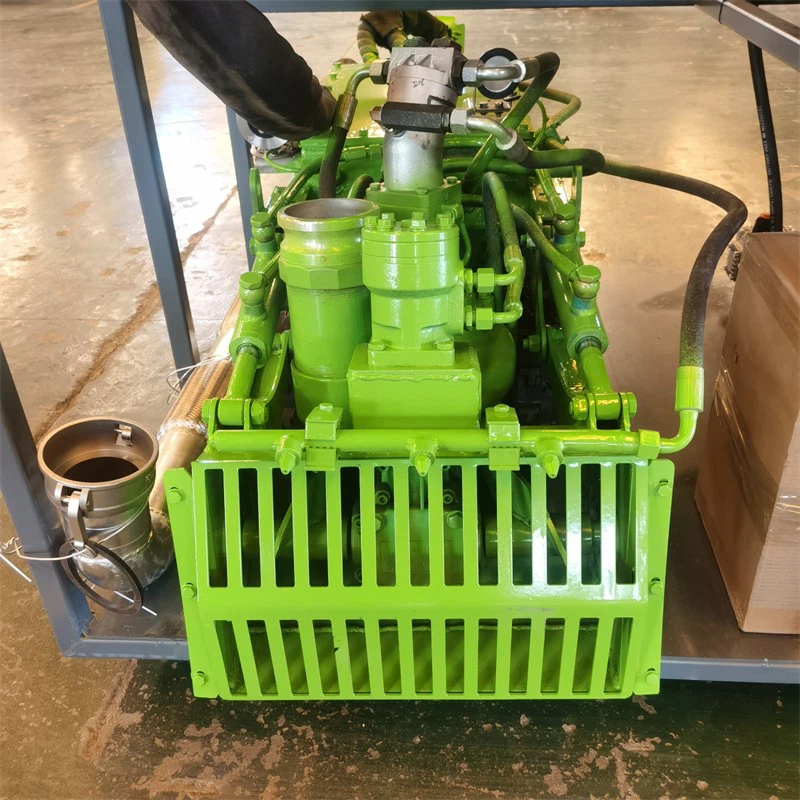
The environment in which the demolition robot operates also plays a role in safety. Demolition sites can be unpredictable, with uneven terrain, unstable structures, and other hazards. The robot needs to be able to navigate these conditions safely. Some modern demolition robots are equipped with features like all - terrain tracks and advanced navigation systems that allow them to move around the site with ease. However, operators still need to be vigilant and assess the site conditions before starting the demolition.
In comparison to other types of heavy machinery used in the construction and demolition industry, demolition robots have a relatively good safety record. For instance, when compared to Dredge Robot, which is used for underwater dredging operations, the risks associated with demolition robots are more focused on the immediate demolition site rather than the complex underwater environment. Dredge Robotics has its own set of safety challenges, such as dealing with strong water currents and the risk of equipment getting stuck underwater.
To sum it up, demolition robots are generally safe to operate when used correctly. Their remote - control capabilities, precision, and robust construction all contribute to a safer demolition process. However, it's crucial to address the potential risks, such as control system malfunctions and operator training. As a supplier, we are committed to providing high - quality demolition robots and the necessary support to ensure that our customers can operate them safely.
If you're in the market for a demolition robot and want to learn more about how these machines can improve the safety and efficiency of your demolition projects, I encourage you to get in touch. We can provide you with detailed information about our products, answer any questions you may have, and even arrange a demonstration. Don't hesitate to reach out and start a conversation about how we can work together to make your demolition operations safer and more successful.
References
- Industry reports on construction and demolition safety
- Manufacturer's manuals for demolition robots
- Case studies on the use of demolition robots in various projects